The 5 Most Common Sources of Household Plumbing Leaks — Costs & Prevention
Plumbing leaks are one of the most expensive and disruptive home maintenance issues — and most of them start small. A drip under the sink, a running toilet, or a damp patch on drywall can quickly turn into mold, structural damage, or a sky‑high water bill.
Here are the five most common sources of household plumbing leaks, how much they typically cost to repair, and what you can do to prevent them. At Edwards Enterprises we spend a lot of time doing regular small repairs and maintenance jobs for our commercial clients and the reason is it saves them a lot of money in the long run. The same holds true for residential home owners. If you’d like to discuss some repairs please contact us.
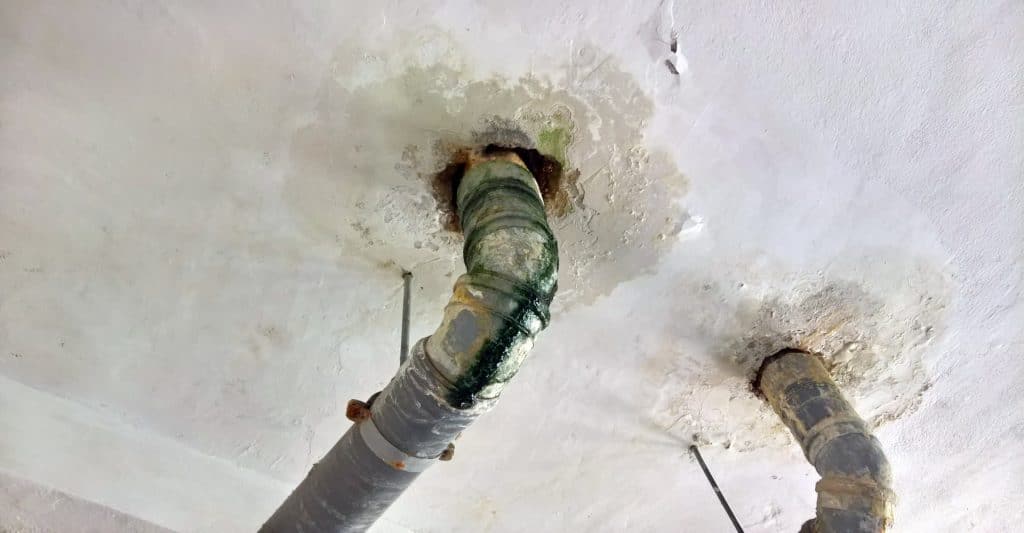
Leaking Pipes (Corrosion, Cracks, or Loose Joints)
Leaking pipes are the number one cause of household water damage. They occur due to corrosion, high water pressure, freezing, or simple wear and tear.
Why They Happen
- Corroded galvanized or copper pipes
- Loose joints
- High water pressure
- Temperature fluctuations
- Cracks behind walls or under floors
Repair Cost
- $150–$350 for minor, accessible leaks
- $300–$800 for leaks inside walls
- $1,000–$3,000+ for major or underground leaks
Prevention
- Inspect visible pipes annually
- Install a pressure regulator (ideal pressure: 40–60 psi)
- Replace old galvanized pipes with PEX or copper
- Insulate pipes in cold areas
Faulty Plumbing Fixtures (Faucets, Showerheads, Valves)
Dripping faucets and leaking showerheads are extremely common — and extremely wasteful.
Why They Happen
- Worn washers, O‑rings, and gaskets
- Mineral buildup
- Loose or aging valves
- Corrosion
Repair Cost
- $50–$150 for replacing washers or cartridges
- $150–$350 if a plumber is needed for fixture replacement
Prevention
- Replace washers and O‑rings every few years
- Clean aerators to prevent mineral buildup
- Choose high‑quality fixtures that resist corrosion
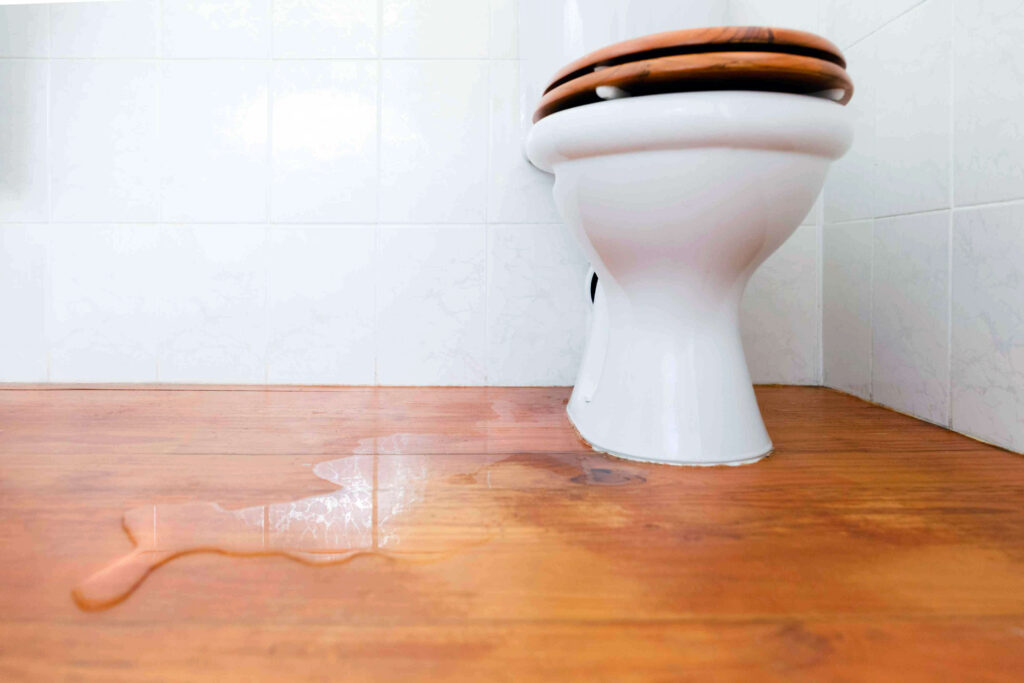
Toilet Leaks (Flappers, Fill Valves, Supply Lines)
A running toilet can waste hundreds of gallons per day — and most homeowners don’t notice until the water bill spikes.
Why They Happen
- Worn flapper
- Faulty fill valve
- Cracked tank components
- Loose supply line connections
Repair Cost
- $50–$150 for DIY flapper/fill valve replacement
- $150–$300 for professional repair
- $300–$600 if the toilet must be removed or reset
Prevention
- Replace flappers every 2–3 years
- Use food coloring in the tank to test for leaks monthly
- Tighten supply line connections annually
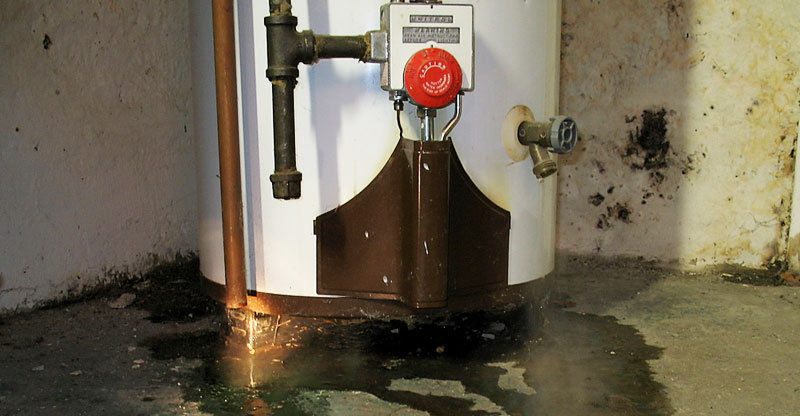
Water Heater Leaks
Water heaters leak due to corrosion, sediment buildup, or failing pressure‑relief valves.
Why They Happen
- Rust inside the tank
- Sediment buildup
- Loose fittings
- Faulty pressure‑relief valve
Repair Cost
- $150–$350 for valve or fitting repairs
- $500–$1,500 for tank replacement (typical lifespan: 8–12 years)
Prevention
- Flush the tank annually to remove sediment
- Inspect for rust or moisture around fittings
- Keep temperature at 120°F to reduce pressure and extend lifespan
Appliance Supply Line Leaks (Dishwasher, Washing Machine, Refrigerator)
Flexible supply lines are convenient — but they’re also one of the most common failure points in a home.
Why They Happen
- Worn rubber hoses
- Loose connections
- Cracked plastic fittings
- Aging gaskets
Repair Cost
- $100–$300 for supply line replacement
- $300–$600 if water damage cleanup is needed
- $1,000+ if flooring or cabinetry is affected
Prevention
- Replace rubber hoses with braided stainless steel
- Tighten connections annually
- Inspect for moisture under appliances every few months
Comparison Table: Leak Type, Cost & Prevention
| Leak Source | Typical Repair Cost | Severity | Prevention |
| Leaking Pipes | $150–$3,000+ | High | Pressure control, pipe replacement |
| Fixtures | $50–$350 | Low–Medium | Replace washers, clean aerators |
| Toilets | $50–$300 | Medium | Replace flappers, test monthly |
| Water Heaters | $150–$1,500 | High | Annual flushing, rust checks |
| Appliance Lines | $100–$600 | Medium–High | Replace hoses, inspect connections |
Final Thoughts
Most plumbing leaks start small — a drip, a loose fitting, a worn washer — but they can escalate into thousands of dollars in damage if ignored. The good news? With regular inspections and a few inexpensive preventive steps, you can avoid nearly all of them.