Build A DIY Tool Organizer For Your Home
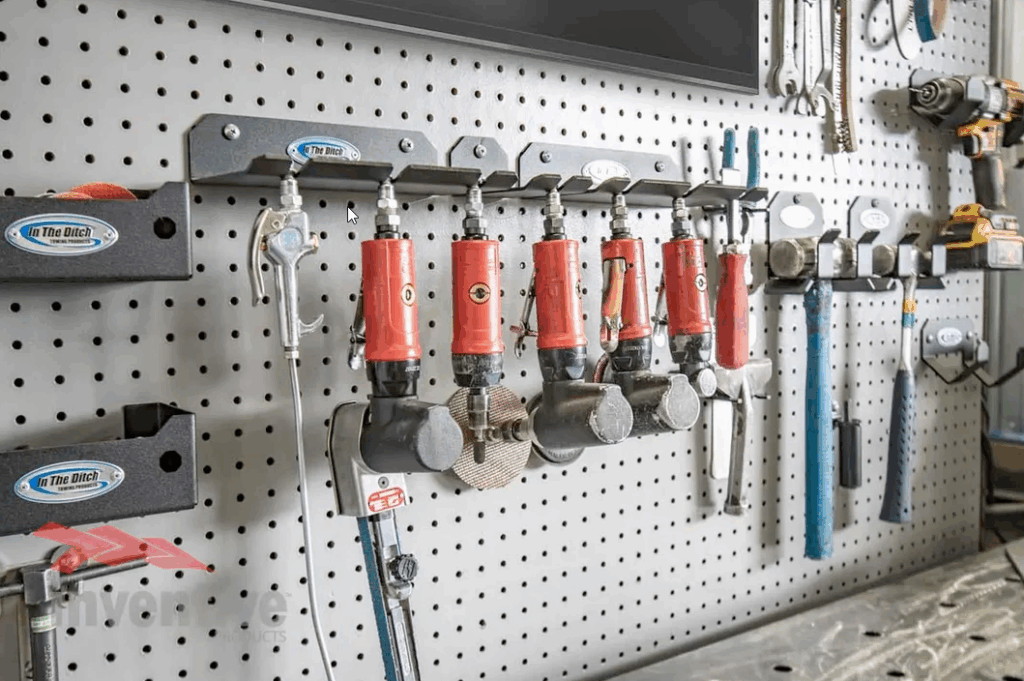
The Importance of a Tool Organizer at Home and How to Build Your Own
In today’s fast-paced world, where DIY projects and home repairs are more common than ever, having a well-organized toolkit can make all the difference. Whether you’re a seasoned handyman or just starting out with basic fixes, a tool organizer isn’t just a luxury—it’s a necessity. In this article, we’ll dive into why every home should have one and then guide you through building a simple wall-mounted pegboard organizer yourself. We provide some product links with our list of what you will need that should get the job done at a price that comes in around $70-100. This project is beginner-friendly, cost-effective, and customizable to fit your space and needs.
Why You Need a Tool Organizer at Home
Imagine this: You’re in the middle of fixing a leaky faucet or assembling furniture, and you can’t find your screwdriver. Frustrating, right? A tool organizer solves that by keeping everything in its place. Here are some key reasons why investing time (or money) in one is worthwhile:
- Efficiency and Time-Saving: With tools neatly arranged, you spend less time searching and more time working. Studies show that disorganized spaces can waste up to an hour a day in productivity—multiply that by your weekend projects, and it’s a game-changer.
- Safety First: Loose tools scattered in drawers or on benches can lead to accidents, like stepping on a sharp object or knocking something over. An organizer keeps sharp edges and heavy items secure, reducing risks especially in homes with kids or pets.
- Longevity of Tools: Proper storage prevents damage from rust, bending, or misplacement. Tools last longer when they’re hung or stored away from moisture and dust, saving you money on replacements.
- Space Optimization: Homes often have limited storage, and a wall-mounted organizer utilizes vertical space in garages, sheds, or utility rooms, freeing up drawers and countertops.
- Mental Clarity: A tidy space promotes a clear mind. Knowing exactly where your hammer or pliers are can reduce stress during urgent repairs.
In short, a tool organizer turns chaos into order, making home maintenance enjoyable rather than a chore. If buying one feels pricey, building your own is a rewarding alternative—let’s get into how.
Materials You’ll Need
For this DIY pegboard tool organizer, we’ll focus on a 4 ft. x 8 ft. panel, but you can scale it down by cutting the board if needed (using a circular saw or having it cut at the store). Here’s a list of essential products to purchase, with links to where you can buy them. Costs are approximate based on current listings; prices may vary.
- Pegboard Panel: A sturdy hardboard pegboard for hanging tools. We recommend the Pegboard White Panel (3/16 in. x 4 ft. x 8 ft.) from Home Depot – $20-30. Link
- Furring Strips: Wooden strips (1 in. x 2 in. x 8 ft.) to create space behind the pegboard for hooks. You’ll need 3-4 pieces. Available at Home Depot – $2-3 each. Link
- Pegboard Hooks Assortment: A kit with various hooks, bins, and locks for customization. Go for the FRIMOONY Pegboard Hooks Assortment (80 Pieces) on Amazon – $15-20. Link
- Wood Screws: For attaching the furring strips and pegboard. The Triton Products 1/4” DuraHook Pegboard Screws (50 Pack) works well – $10. Link
- Wall Anchors: If not screwing directly into studs (for drywall). E-Z Ancor Twist-N-Lock 75 lbs. Drywall Anchors (20-Pack) from Home Depot – $5-10. Link
- Stud Finder: To locate wall studs for secure mounting. The C.H. Hanson 03040 Magnetic Stud Finder on Amazon is simple and reliable – $10. Link
- Level: To ensure everything is straight. The Firecore Magnetic Torpedo Level on Amazon – $6. Link
You’ll also need basic tools like a drill, measuring tape, pencil, and safety gear (gloves, goggles). If you don’t have these, they can be added to your shopping list, but assume they’re part of your starting toolkit.
Total estimated cost: $70-100, depending on quantities and sales.
Step-by-Step Directions to Build Your Tool Organizer
This project should take 1-2 hours, plus drying time if painting. Work in a well-ventilated area.
- Plan Your Layout: Choose a wall in your garage or workshop with at least 4 ft. x 8 ft. of space. Measure and mark where the pegboard will go. Decide on the height—typically 2-3 feet off the ground for easy access.
- Locate Studs: Use your stud finder to scan the wall and mark the centers of the studs (usually 16 inches apart) with a pencil. This ensures secure mounting. If no studs align perfectly, use wall anchors for additional support.
- Prepare the Furring Strips: Cut the furring strips to match the width of your pegboard (e.g., 4 ft. if halving the 8 ft. panel, or full length). You’ll need horizontal strips at the top, bottom, and middle for stability. Space them to allow hooks to fit behind the pegboard (about 1/2-1 inch gap).
- Mount the Furring Strips: Hold a strip level against the wall along your marks. Use the level to ensure it’s straight. Drill pilot holes into the studs (or use anchors in drywall), then secure with wood screws (2-3 per strip). Repeat for all strips.
- Attach the Pegboard: Place the pegboard over the furring strips. Check with the level for evenness. Drill through the pegboard holes into the strips and secure with screws. Space screws every 12-16 inches for firmness.
- Add Hooks and Accessories: Insert your pegboard hooks, bins, and locks into the holes. Arrange them based on your tools—e.g., hooks for hammers, bins for screws. Test the weight; pegboard can hold up to 100 lbs. if mounted properly.
- Customize and Finish: Paint the pegboard if desired for a polished look. Organize your tools, labeling sections if needed. Step back and admire your work!
With this setup, you’ll have a functional tool organizer that grows with your collection. If you encounter issues like uneven walls, consult a professional. Happy building—your future self (and your tools) will thank you!