What Are The Best Patio Cover Options For Southern California Homes?
Southern California homeowners should prioritize climate, materials, shade needs, and permitting when choosing a patio cover, with aluminum (especially wood-look systems like Alumawood) often the most practical long-term option.
Key things to consider
- Sun and heat: Intense UV and many clear days mean you want a design that manages heat and glare, such as solid insulated aluminum roofs or adjustable louvered covers that can switch between sun and shade.
- Coastal vs inland: Near the coast, salt air can be tough on wood, so corrosion‑resistant aluminum tends to last longer with less maintenance than traditional lumber.
- Maintenance level: Wood requires regular painting or staining and is vulnerable to rot and termites, while aluminum systems resist warping, pests, and weather damage and only need periodic cleaning.
- Permits and codes: Many SoCal cities require permits or have size and setback rules; for example, San Diego exempts some covers under 300 sq ft but still enforces structural and zoning limits, while other cities can red‑tag or even require removal of unpermitted work.
- Integration with house: Consider roof style, guttering, drainage slope, and whether you might later add fans, lights, or heaters so the structure and wiring paths are designed from the start.
Best patio cover options for SoCal
- Solid insulated aluminum roof: Uses insulated panels to create 100% shade and better temperature control, often allowing for recessed lighting and fans, which works well for hot inland areas.
- Non‑insulated solid aluminum roof: Provides full shade and rain protection at a lower cost than insulated panels, ideal if you mainly need weather cover rather than maximum cooling.
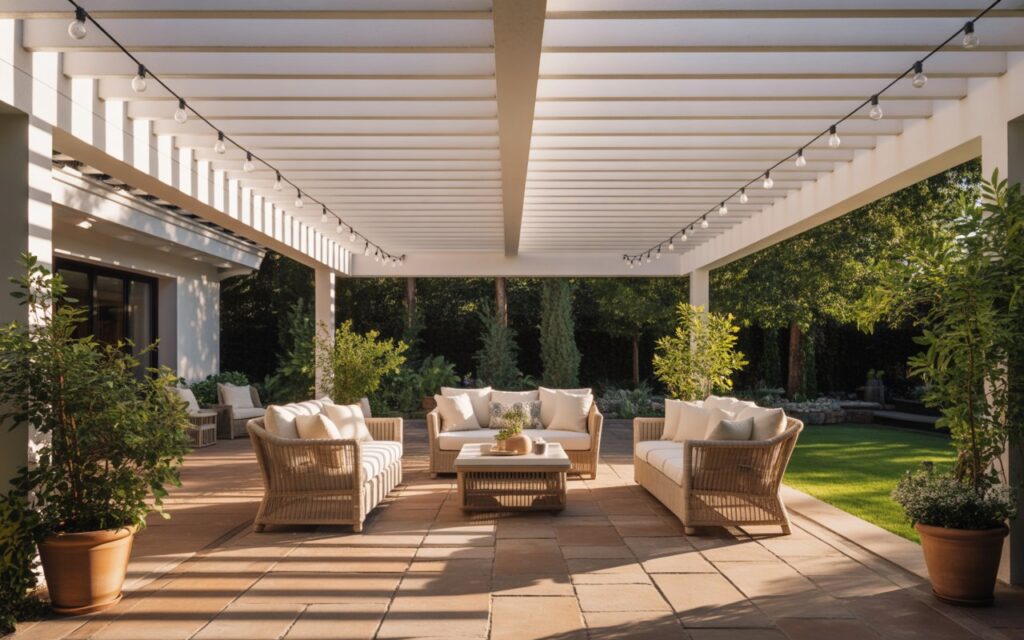
- Aluminum lattice / pergola: Open or partial‑shade designs that cut sun but keep an airy feel, popular when you want light over plants or seating without a fully enclosed roof.
- Adjustable louvered roof: Motorized systems that rotate aluminum louvers, giving you full sun, filtered light, or full shade and often integrating with smart controls, great for year‑round flexibility.
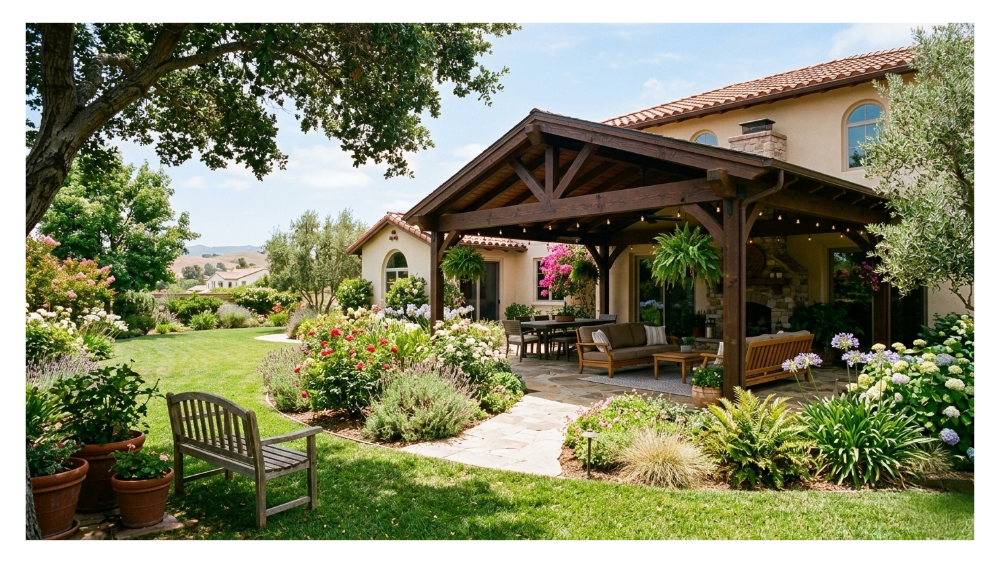
- Wood or wood‑look (Alumawood/Weatherwood): Textured aluminum that mimics wood grain but avoids rot, termites, and heavy upkeep, giving a traditional look with modern durability.
Example option table
| Option | Shade/Rain Protection | Maintenance level | Fits SoCal climate best for… |
|---|---|---|---|
| Insulated aluminum roof | Full shade, excellent rain cover | Very low | Hot inland yards |
| Non‑insulated aluminum roof | Full shade, good rain cover | Very low | General use, budget focus |
| Aluminum lattice/pergola | Partial shade, minimal rain cover | Very low | Light, breezy patios |
| Adjustable louvered system | Variable sun and shade, rain when closed | Low | All‑season entertaining |
| Traditional wood structure | Depends on design | High (paint, repairs) | Short‑term or custom looks |
Unique advantages for Southern Californians
- Outdoor living season: Because you can use your patio most of the year, investing in features like insulated roofs, integrated lighting, ceiling fans, and heaters pays off more than in regions with short summers.
- Design variety and vendors: The region has many specialists in aluminum and Alumawood‑style systems, so you have broad choices in styles, colors, and smart louver systems tailored for SoCal conditions.
- Local code flexibility: Some cities allow small patio covers without full building permits if they stay under certain size thresholds and respect setbacks, which can simplify projects if planned correctly.
Why hire a contractor instead of DIY?
- Permits and inspections: A licensed contractor knows local codes and handles permits, helping you avoid red‑tagged jobs, stop‑work orders, or being forced to remove a non‑compliant cover later.
- Structural safety: Pros design posts, footings, and connections to meet California standards for wind, seismic, and roof loads, reducing risk of sagging or failure.
- Warranty and longevity: Many aluminum systems are sold and installed through certified contractors and may include structural or finish warranties when professionally installed.
- Integration and finish quality: An experienced installer can tie the cover cleanly into your existing fascia or roofline, set proper drainage slope, and pre‑wire for lights, fans, or outlets during installation.
- Resale and appraisal: Properly permitted, well‑built patio covers are more likely to be counted as a real improvement when you sell, while unpermitted structures can complicate escrows or trigger repair demands.
For a Southern California home, a low‑maintenance aluminum or Alumawood‑style cover, sized to your main seating area and designed with future electrical upgrades in mind, is often the most balanced long‑term choice. Edward’s Enterprises has extensive experience installing and repairing all types of patio covers, pergolas and gazebos. If you need help installing a patio cover on your property contact us and we’ll take a look at the job.