5 Areas Of Concern For Older Homes In Southern California
At Edwards Enterprises we know Southern California homeowners with aging houses face a mix of climate, soil, and regulatory issues that can quietly turn into big repair bills if they are not planned for and addressed by qualified contractors.bestcoastinspections+2
The following is a list of concerns that a homeowner or home buyer should be aware of in Southern California. Some issues can be handled by a DIY home owner themselves. A handyman contractor like Edwards Enterprises can also help with a lot of repairs and upgrades, while some of these issues would require specialized contractors to address.
But in all these cases it is far more expensive to ignore or be completely oblivious to these threats to the value of homes in Southern California than it is to have your home checked for them so you can address problems as they arise.
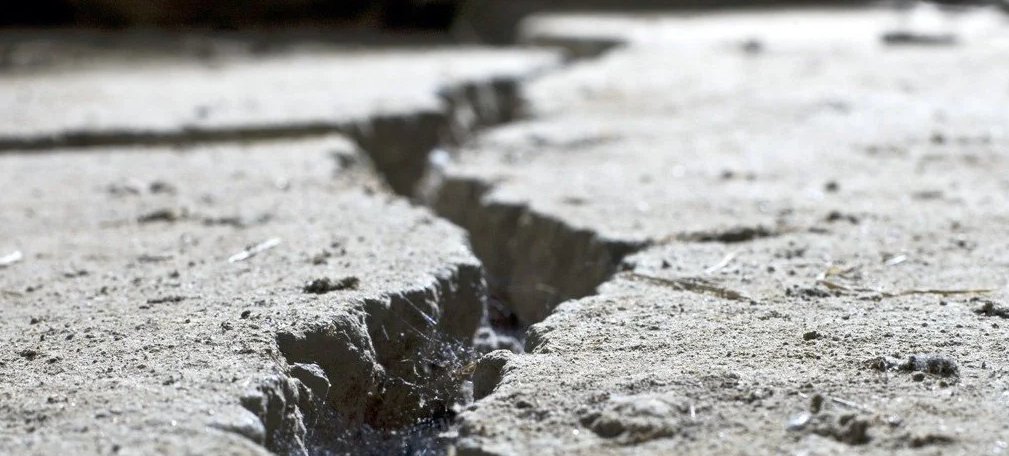
1. Earthquakes, Expansive Soils, and Foundations
Southern California’s active fault lines and pockets of expansive clay soil put extra stress on older foundations compared with many other regions. Over time, seismic movement and poor drainage can lead to cracked slabs, tilting patio decks, stuck doors, and uneven floors, especially in homes built before modern seismic detailing became standard.santabarbaraarchitects+2
Key contractor conversations:
- Seismic retrofits for cripple walls, foundation bolting, and shear walls in older wood-frame homes.
- Drainage corrections (grading, downspouts, French drains) to keep water away from foundations and reduce soil movement.elevateinspectionservices+1
2. Plumbing Systems, Water Quality, and Drought Pressure
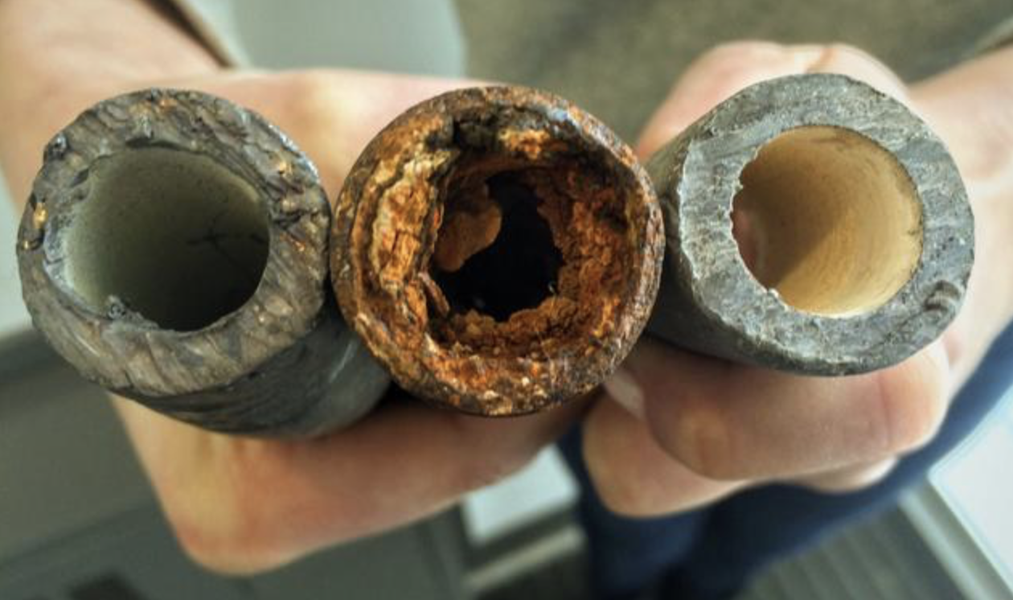
Many older Southern California homes still rely on galvanized steel or older cast-iron pipes that are now at or past their expected service life, causing corrosion, reduced water pressure, leaks in walls, and discolored water. Aging sewer lines—often clay or cast iron—can crack, clog, and be invaded by tree roots, leading to backups that are especially common in older neighborhoods from Los Angeles to the San Fernando Valley and coastal communities.advancedphvac+4
Layered on top of that, recurring drought and conservation requirements make water efficiency and leak detection more important than in many other parts of the country. A contractor can:fast24hrplumber+1
- Scope and plan phased replacement of old supply and sewer lines, including trenchless options where appropriate.
- Upgrade fixtures to water-efficient models to align with local conservation ordinances and reduce utility bills.canyonhillsplumbing+2
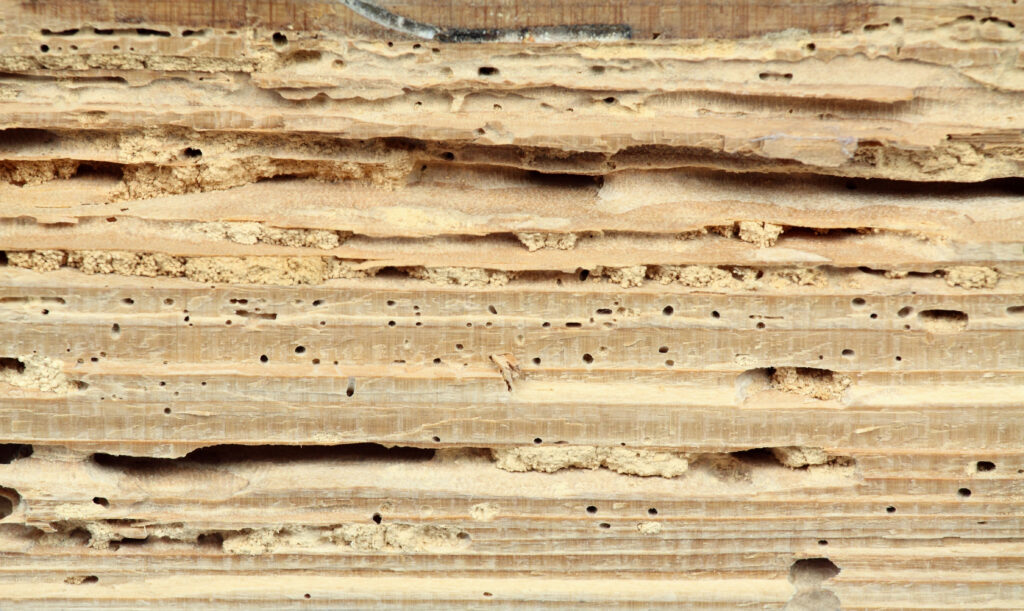
3. Sun, Termites, Moisture, and Exterior Envelopes
Southern California’s combination of intense UV exposure, mild winters, and year‑round termite activity is hard on roofs, siding, and structural wood. Roofs on older homes—especially asphalt shingles or wood shakes—often reach or exceed their 20–30 year life under this climate, and deferred maintenance can lead to hidden leaks and attic damage.bestcoastinspections+1
Termites and other wood‑destroying pests are active nearly all year, so older framing, decks, and eaves are at constant risk, particularly where paint has failed or moisture collects. Contractors can:[bestcoastinspections]
- Inspect and replace deteriorated roofing and flashing, choosing materials that perform well in high sun and meet current fire‑rating requirements.
- Coordinate with licensed pest control to repair termite-damaged framing and improve ventilation and drainage to discourage future infestations.elevateinspectionservices+1
4. Legacy Materials: Asbestos, Lead, and Older Construction Methods
Homes built before the late 1970s in California frequently contain lead-based paint and asbestos-containing materials in acoustic “popcorn” ceilings, some floor tiles, joint compounds, and old insulation. These materials generally become a concern during remodeling or system upgrades, when scraping, cutting, or sanding can release hazardous dust and trigger strict abatement and disposal rules under state and local regulations.goldenstatede+1
Older electrical systems and uninsulated walls also reflect past construction practices not designed for today’s loads, comfort expectations, or codes, and upgrades often must be brought into compliance with modern Title 24 energy and safety standards once work begins. A contractor experienced with older Southern California housing stock should:santabarbaraarchitects+2
- Arrange proper testing and, where needed, licensed abatement for lead and asbestos before demolition.
- Plan electrical and envelope upgrades that meet current code while minimizing disruption to historic finishes where possible.goldenstatede+2
5. Rapidly Evolving California Codes and “Electric-Ready” Upgrades
California’s statewide building standards (Title 24) are updated on a three‑year cycle, and the 2026 code emphasizes more electric‑centric and low‑carbon residential construction, including stronger requirements for “electric‑ready” wiring, ventilation, indoor air quality, and energy performance. Recent legislation is also making the 2026 residential code unusually consequential, because it is expected to govern many projects for several years with limited interim changes, so remodels started in the next few years will likely be designed to this standard.ternercenter.berkeley+2
For older homes, this can affect everything from panel sizing and EV‑charger readiness to new HVAC equipment, heat‑pump water heaters, and added insulation or window changes that trigger energy‑compliance reviews. A contractor who tracks California code changes can:santabarbaraarchitects+1
- Advise whether your planned remodel will trigger current Title 24 requirements, accessibility upgrades, or local amendments.
- Suggest “future‑proof” work now (panel upgrades, conduit runs, rough‑ins) to avoid opening walls again when you add EV charging, induction cooking, or more electrification later.ternercenter.berkeley+2
As we mentioned, while installing all new plumbing or re-roofing a house is a large and expensive undertaking there are many smaller steps a homeowner can take to keep their home in top shape over time. The first step may just be making a checklist, inspecting your home, and then reaching out to Edwards Enterprises to begin addressing potential problems one at a time.